
Lee County boating is river and bay as much as open Gulf: the Caloosahatchee running through the middle of the county, the Franklin Lock and the Okeechobee Waterway heading east, San Carlos Bay and the passes out past Sanibel and Pine Island. A great many of the boats we write here live on trailers behind houses rather than in a slip, and that changes both the exposures and the policy. This page is about the trailer boat, the hurricane provision, and the two clauses owners read only after something has happened.
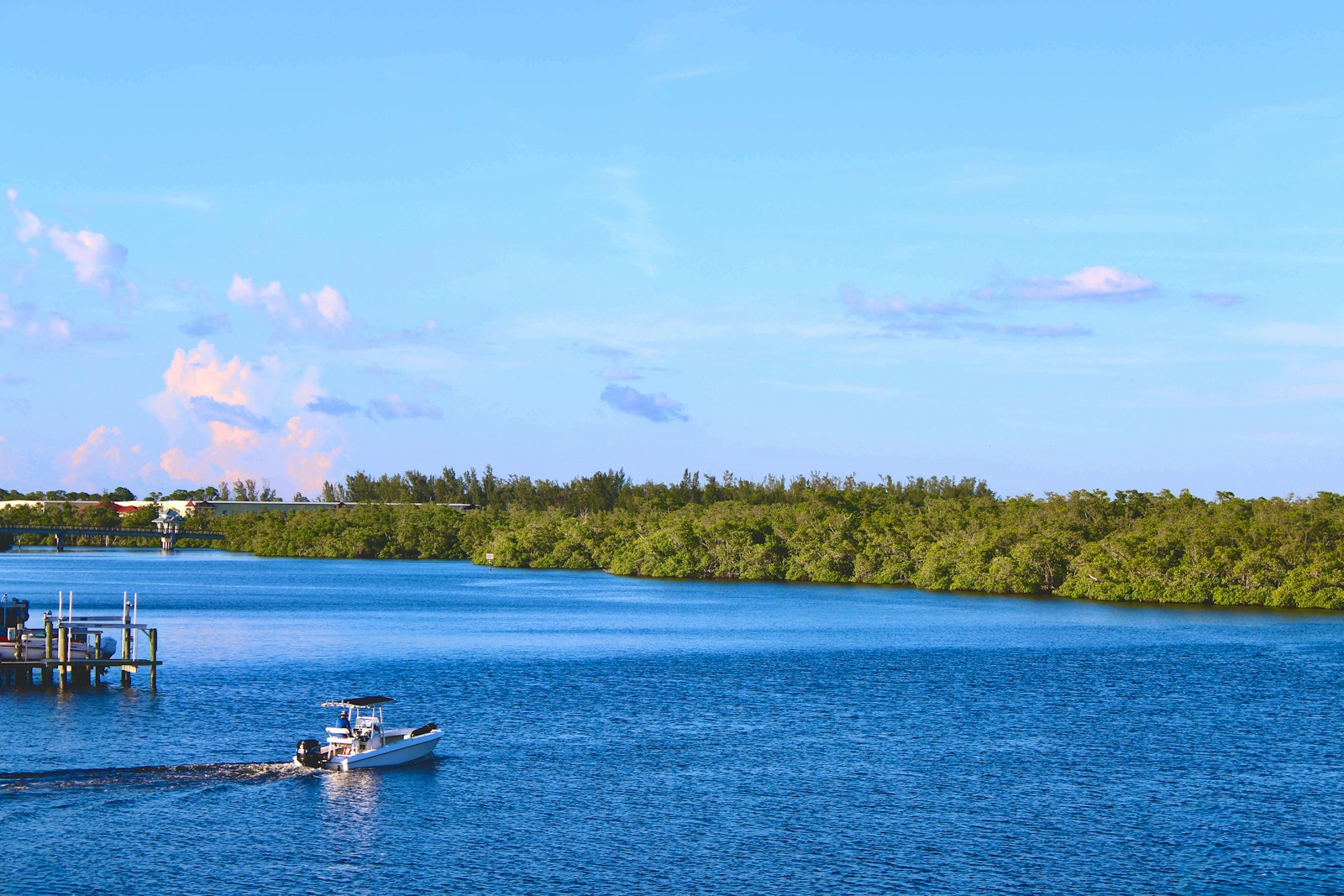
The boat that lives on a trailer.
A trailered boat has exposures a slipped boat does not. It is on the road, it is parked at home, and it is launched at a ramp by somebody who may or may not be the owner. Cover for the trailer itself is not automatic on every policy, and neither is damage that happens during towing, which some owners assume their auto policy handles and it does not.
It also changes the storm conversation for the better. A boat that can be pulled and taken inland is a boat that can be moved out of harm’s way, and carriers know it. If you have somewhere to put it, say so when you quote.
Named-storm provisions, and what they ask of you first.
Most Florida watercraft policies will help pay to haul, move or secure a boat once a storm is named, usually with a cap and a share you pay yourself, and almost always with a trigger: the storm has a name and a watch or warning covers the water your boat sits in.
Some carriers go further and want a written hurricane plan on file before the provision applies at all. That plan names where the boat will go, who will move it and how long it takes. What it establishes is that you had a plan rather than an intention, and the carrier that asked for it is the carrier most likely to pay for it.
Agreed value, and the limits that decide where you are covered.
An agreed value policy fixes the total-loss figure when it is written. An actual cash value policy pays market value at the time of loss, which after a storm that damaged a great many boats at once is both a smaller number and a longer argument. On an older hull the gap between the two is most of a claim.
The other clause worth reading is the navigational limit, which draws the water you are covered on. Running east through the Okeechobee Waterway, or south past the limit some Florida policies set, can take a boat outside its own policy. Extensions for a passage are ordinary requests and usually inexpensive, but they have to be asked for first.
Up the river: the lock, the canals, and fresh water.
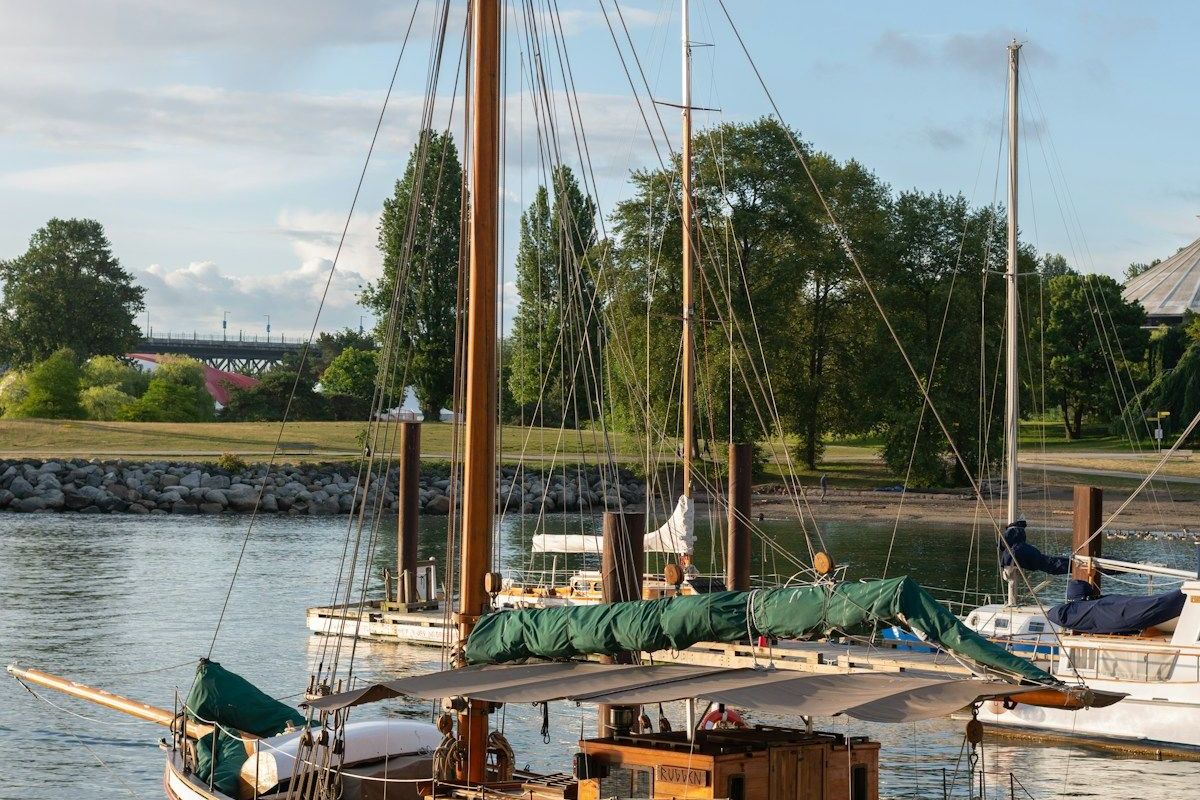
Fort Myers boating runs in two directions, and only one of them is the Gulf. The other is upriver: through the Franklin Lock at Olga, into the freshwater Caloosahatchee, the Cape Coral canal system, and for the ambitious, the full Okeechobee crossing to the other coast. A policy written with only salt water in mind can meet questions up there it was never asked, inland waterways, lock transits, and marinas a hundred miles from the coast the policy imagined.
The practical points are unglamorous and worth a minute each. Check that the navigational territory actually includes the inland route you run, because “coastal waters” language can be narrower than the river you live on. Understand what your liability cover says about fuel spills, pollution liability is part of most marine policies for good reason, since a fuel sheen in a canal is a claim with a government agency attached, and the cleanup obligation exists whether or not anyone was hurt.
And know where the boat is coming from. A vessel bought up north and trucked or cruised down arrives with a policy written for another life, lay-up through the winter, northern waters, a marina it will never see again. The week it arrives in Lee County is the week that policy should be rewritten around its actual new existence, and the office does that rewrite routinely.
Between trips: racks, yards, and the backyard lift.
Most of a boat’s life in Lee County is spent not boating. It hangs in a dry-stack off San Carlos, sits on a rack in a storage yard in the industrial corridor, or rides the lift behind the house on a Cape canal, and each of those addresses has its own insurance texture. Ashore, the standard perils shift: theft and fire become the story, hurricane exposure changes shape, and the yard or stack operator’s own paperwork starts to matter, because their agreement almost certainly disclaims more than you would expect.
What deserves particular attention is the gear rather than the hull. Electronics, rods, safety equipment, the outboard on the transom, this is what actually disappears from stored boats, and policies treat personal effects and equipment with sublimits that reward reading. Photograph what lives aboard, keep receipts for the electronics, and ask us where your policy’s equipment limits actually sit against what the boat carries.
The lift itself belongs to a different policy entirely, it is an improvement to the house, not part of the boat, and the dividing line between homeowners and marine cover for dock, lift and davits catches owners annually. The clean answer is to have both policies at one desk, where the seam between them is somebody’s explicit job. That is an argument for an agency rather than two apps, and we make it without embarrassment.
Two jet skis and a teenager.

Personal watercraft are their own subject, however casually they are bought. Insurers treat them separately from boats for honest reasons, the loss patterns are different, the borrowing culture is different, and the riders skew younger. Liability is the heart of the PWC conversation: a machine that costs less than a used car can generate an injury claim priced like anything else on the water, and the friend-of-a-friend aboard is exactly the scenario the underwriting worries about.
Florida also has real rules about who may operate. Younger operators need a state boating-safety education card, and the age lines and requirements are specific, we will tell you exactly where they fall rather than reciting them here, because getting this wrong is both a citation and, potentially, a coverage argument. What your policy says about underage or unlisted operators is worth knowing before the cousins visit in July, not after.
The pleasant surprise is that PWC cover is usually inexpensive against the exposure, and bundling it with the boat and the house tends to earn its keep. Bring the household’s whole waterline, boat, skis, the kayaks that need nothing, the lift that needs a different policy, and we will sort what needs what in one sitting.
The first boat: surveys, financing, and honest expectations.
Every season mints new boat owners in Lee County, and the insurance half of that purchase has its own choreography. On a used hull of any size, expect the underwriting to care about condition: a marine survey, an out-of-water inspection by a qualified surveyor, is commonly required above certain ages and values, and it protects the buyer at least as much as the insurer, because it prices the boat’s real condition before money moves. Surveys also come with recommendation lists, and some policies make completing certain recommendations a condition of coverage, which is worth knowing before the list runs to two pages.
A financed boat adds the lender’s requirements, physical-damage cover with the lender named, sometimes specified perils and territories, and the loan-payoff-versus-value gap conversation from the car world repeats here with bigger numbers and slower depreciation curves. A boat bought in the off-season and first insured in June also meets a Florida reality worth planning around: when a named storm approaches, carriers suspend new binding until it passes. The week to insure a boat is the week you buy it, not the week the forecast turns.
None of this should intimidate a first buyer; it should just sequence the purchase. Survey, quote and financing conversation before the handshake, coverage bound at closing, hurricane plan written before the season. The office runs this sequence with first owners every spring, and the ones who follow it spend their first summer boating instead of paperworking.
One more first-season note: where the boat lives changes what it pays. Trailered at the house, dry-stacked at the marina, wet-slipped on a canal, each answer reads differently to an underwriter, and each carries its own storm obligations. Tell us the real arrangement, including the winter one, and the policy will describe the boat you own rather than the one on the application. The difference matters most in the season’s worst week, when the storm plan on file and the boat’s actual address need to be the same sentence, because that is the week the claim file reads them side by side.
Liability on the water: wakes, docks, and the other hull.
Ashore, liability insurance is about cars and sidewalks; afloat, it is about wakes, docks and the other hull, and the physics are less forgiving. A wake thrown through a manatee zone that swamps a smaller boat, a misjudged approach that finds a piling, a guest over the gunwale at the sandbar, each is a liability claim, and on the water the injuries and the repair bills both run larger than their parking-lot equivalents. Liability limits deserve more respect in marine insurance than they usually get from buyers whose attention is on the hull value.
The asymmetric risk on Lee County water is the other operator. No Florida law requires a boat to be insured, and an honest fraction of what floats past you on a Saturday is running bare. If an uninsured operator puts a hole in your season, or in a passenger, your recovery may begin and end with your own policy, which is the argument for uninsured-boater coverage and for medical-payments cover that answers quickly regardless of fault. Both are inexpensive against what they do; neither is automatic.
Serious hulls and serious balance sheets should also hear the umbrella question, since a personal umbrella can frequently sit above the boat policy as well as the house and cars, one layer over the whole waterline. Where the household’s liability picture ends and the water begins is exactly the seam a single agency desk is for, and this one has both charts.
Passengers deserve one plain paragraph of their own. Florida boating is social; the typical Saturday hull carries friends, cousins, somebody’s visiting in-laws. If one of them is hurt, the claim lands on your liability and medical-payments coverage, and the limits chosen on a quiet weekday decide how that afternoon ends. Before the season’s first full boat, it is worth thirty seconds to ask whether the numbers on the policy were chosen for the boat you actually run, loaded the way you actually run it.
Two steps, no obligation. The request arrives with this line already on it, so we quote what you have been reading about first.
Starts with Boat Insurance in Fort Myers, FL
Prefer to walk in? No appointment needed during opening hours.
We place boat cover with fourteen carriers.
Which of them fits depends on where it is kept and how far it travels.














Boat questions we are asked in Fort Myers.
If yours is not here, call the office. Someone will pick up.